
Gravel Driveway Installation & Repair in Northern Kentucky & Cincinnati
New driveway construction, repairs, and maintenance for rural properties and homes throughout Northern Kentucky, Cincinnati, and Southeast Indiana.
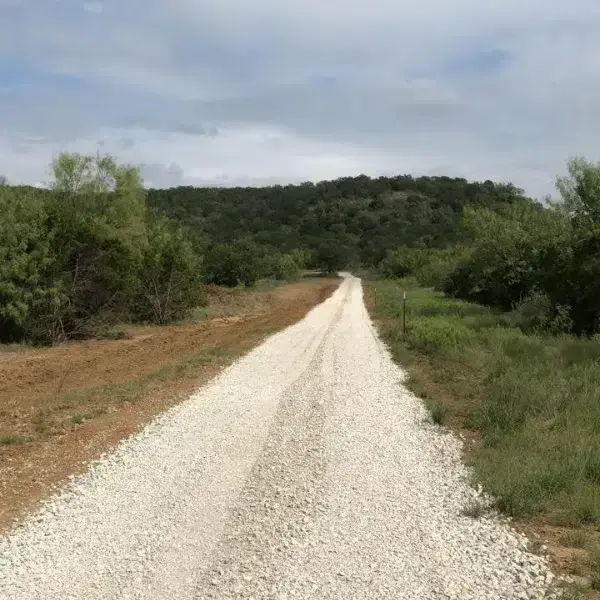
Gravel driveway installation is the process of clearing, grading, and laying compacted layers of crushed stone to create a durable, well-drained driving surface — ideal for rural properties, farms, and homes where paved options are cost-prohibitive or impractical.
Gravel driveway installation in Northern Kentucky and Cincinnati costs $2–$5 per square foot, or $1,500–$15,000 depending on length and terrain. The process involves clearing the route, grading for proper drainage, installing a compacted base layer, and topping with crushed stone. Most residential driveways are completed in 1–3 days.
Build Your Path Home
Your driveway is more than just a place to park—it's your connection to the road, your first impression, and often the workhorse of your property. Whether you're building a new driveway through cleared land or fixing years of wear and washouts, EarthWorx Land Management delivers driveways built to last. We specialize in gravel driveways for rural properties, farms, and homes throughout Northern Kentucky, Greater Cincinnati, and Southeast Indiana. From short residential drives to long rural lanes, we handle the complete process: clearing, grading, base preparation, and gravel installation. Fully insured. Family owned. Built to last.
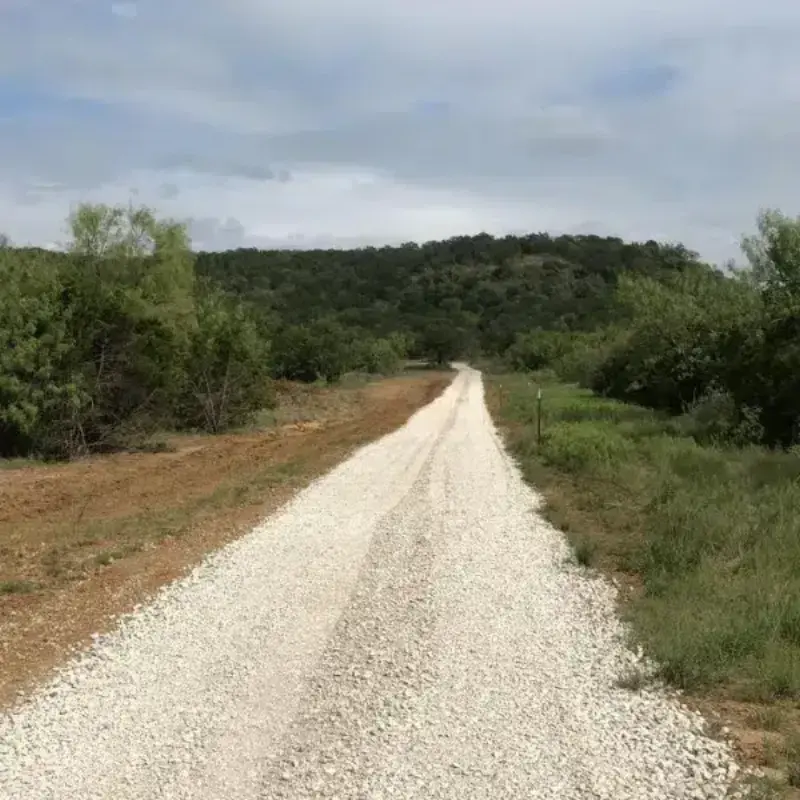
A lot of our driveway work starts with a phone call that goes something like: "I just bought 10 acres and there is no driveway." Or: "My gravel drive is more pothole than driveway at this point." Either way, we handle it. We clear the route, grade the base, sort out the drainage, and lay the gravel. One crew, start to finish.
Gravel driveways are the practical choice for rural properties, farms, and wooded lots where asphalt or concrete paving would be prohibitively expensive or impractical. A 500-foot paved driveway could cost $20,000–$40,000, while a properly built gravel driveway of the same length typically costs $3,000–$8,000. Gravel also handles heavy farm equipment and delivery trucks better than asphalt, which can crack and deteriorate under heavy loads.
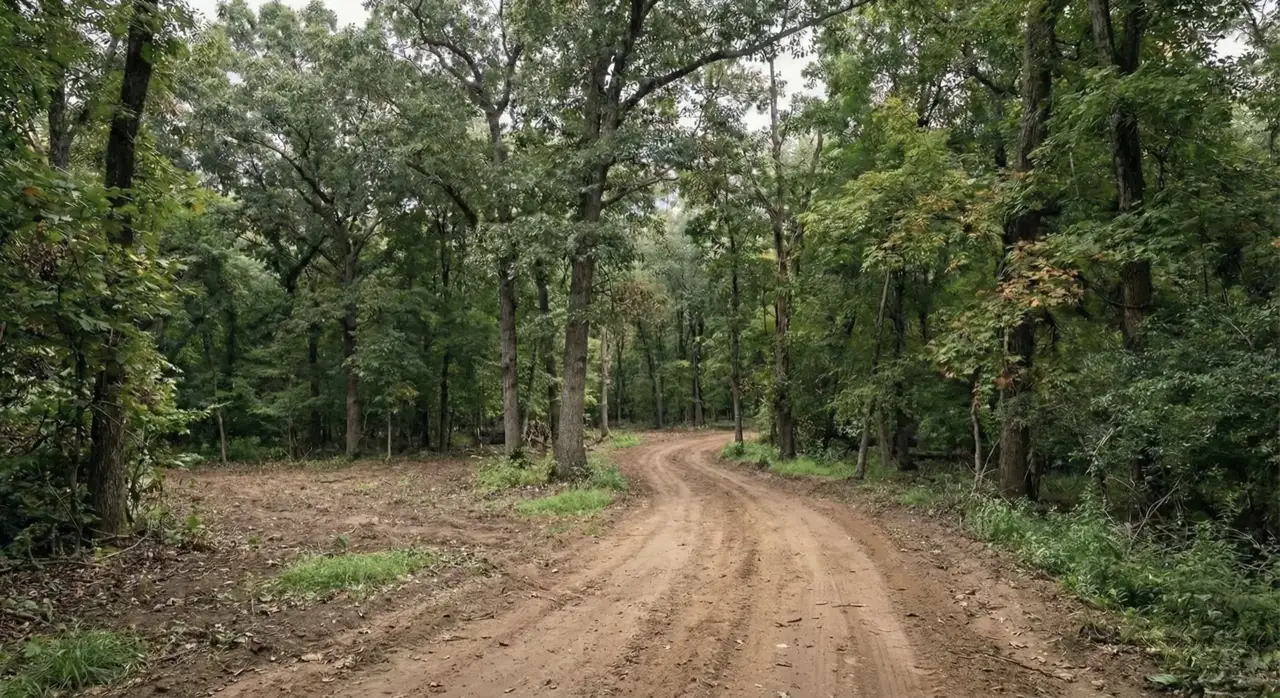
Proper driveway construction starts with the base — and that starts with clearing. Many new driveways in Northern Kentucky run through wooded areas, requiring tree and brush removal before any grading can begin. As a land clearing company first, we bring a unique advantage: we handle the clearing, grading, drainage, and gravel installation with one crew, one schedule, and one bill. No coordinating between separate contractors.
Drainage is the most important factor in driveway longevity. A driveway that puddles and washes out needs constant repairs. We crown the surface so water runs to both sides, install culverts where water needs to cross, and create ditches along the edges to channel runoff. The result is a driveway that sheds water properly and lasts for years between maintenance.
Driveways vs. Traditional Methods
| Factor | EarthWorx | Traditional |
|---|---|---|
| Material Cost | $2–$5/sq ft — affordable natural stone | $8–$15/sq ft for asphalt or concrete |
| Drainage | Excellent — water percolates naturally | Poor — requires separate drainage systems |
| Installation Time | 1–3 days | 3–7 days for paving |
| Maintenance | Periodic grading and topdressing | Crack filling, seal coating, eventual resurfacing |
Common Uses for Driveways
- ✓New driveway construction for rural homes
- ✓Farm road and lane building
- ✓Driveway repair and regrading
- ✓Parking area creation
- ✓Access road to outbuildings and barns
- ✓Temporary construction site access
Why Choose Driveways
Cost-Effective
Gravel driveways cost a fraction of asphalt or concrete—especially for long rural driveways where paving would be prohibitively expensive.
Excellent Drainage
Water percolates through gravel rather than running off, reducing erosion and eliminating the standing water problems common with solid surfaces.
Easy to Maintain
Potholes and ruts? Add more gravel and regrade. No expensive resurfacing or replacement like asphalt requires.
Handles Any Terrain
Gravel driveways work on hills, curves, and uneven terrain where paving would be difficult or impossible.
Built for Heavy Use
Farm equipment, trucks, trailers—gravel driveways handle heavy loads without cracking or breaking like paved surfaces do.
Natural Appearance
Gravel blends with rural and natural settings better than stark black asphalt, complementing your property's character.
Our Driveways Process
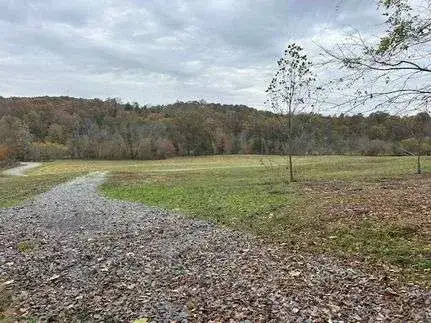
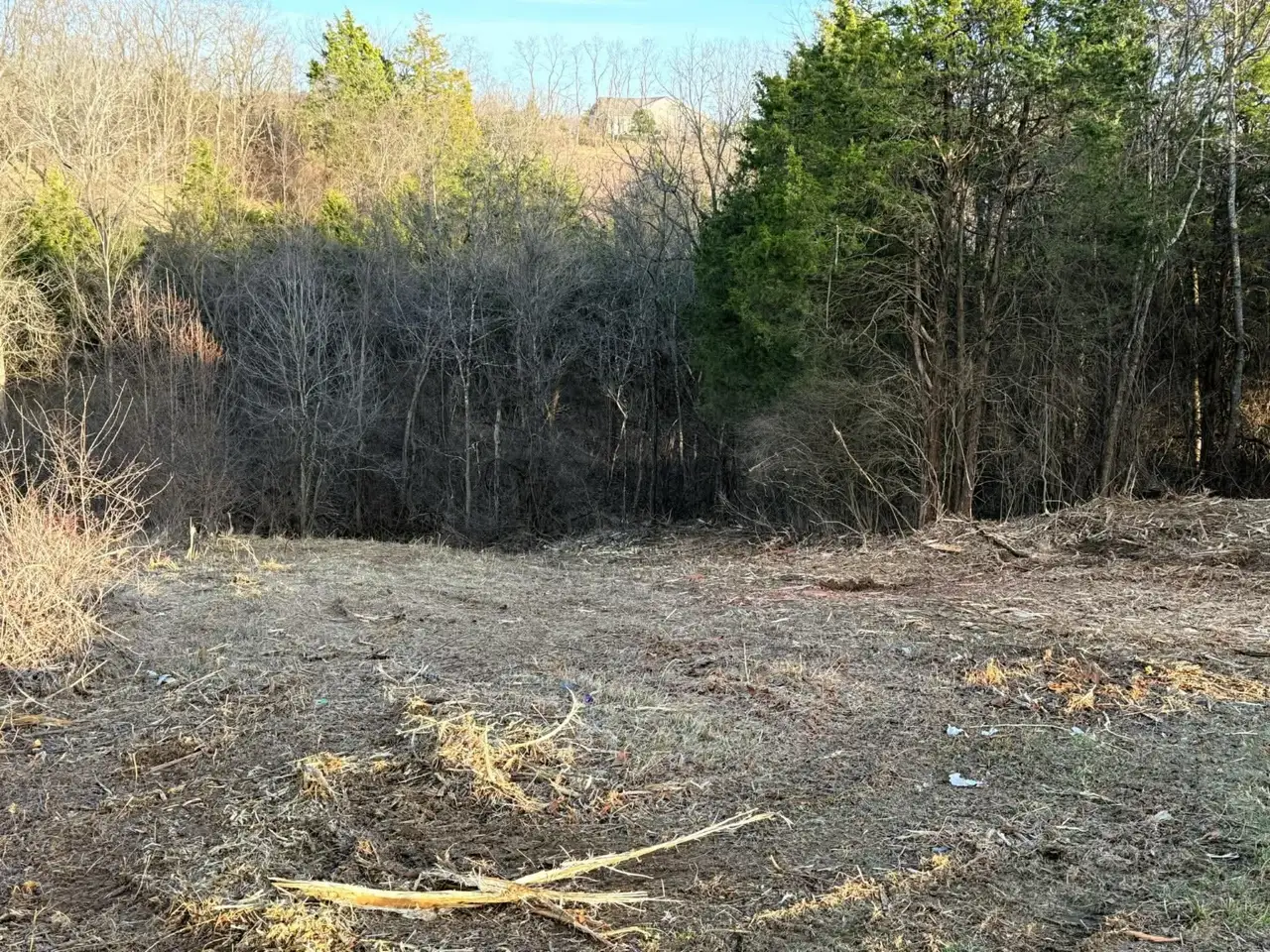
We clear trees, brush, and vegetation from the driveway route using our forestry mulching equipment.
We create the proper slope, contours, and crown for drainage and long-term stability of the driveway base.
Culverts, ditches, and water management features are installed as needed to protect your driveway from washouts.
Quality gravel is applied in layers and compacted for a durable, professional finish that lasts for years.
Typical cost: $2–$5 per square foot
Exact pricing depends on your property. We provide free on-site estimates.
Driveways FAQ
Common questions about driveways in Northern Kentucky and Cincinnati.
Gravel driveway costs in Northern Kentucky and Cincinnati typically range from $2–$5 per square foot, or roughly $1,500–$5,000 for a standard residential driveway. Long rural driveways can cost $3,000–$15,000 or more depending on length, terrain, and whether clearing is needed. We provide free on-site estimates.
Most residential driveway installations can be completed in 1–3 days. Longer driveways or projects requiring significant clearing and grading may take 3–5 days. We will give you an accurate timeline during your estimate.
We typically use a layered approach: larger crushed stone like number 2 or number 3 as a base for stability, topped with smaller gravel like number 8 or number 57 for a smooth driving surface. The specific materials depend on your soil conditions, traffic, and preferences.
Gravel driveways need occasional maintenance: fill potholes as they develop, regrade every 1–2 years to maintain proper drainage, and add fresh gravel every few years as needed. We offer maintenance services to keep your driveway in top shape.
Yes. A muddy driveway usually means drainage problems or inadequate base material. We address both—improving drainage, regrading for proper water runoff, and adding quality gravel that will not sink into the mud.
A single-lane driveway should be at least 10–12 feet wide. For two-way traffic or room to pass, 16–20 feet is better. Farm driveways that handle large equipment may need to be even wider in spots. We will help you determine the right width for your needs.
Related Services
Where We Offer Driveways
Ready for Driveways?
Get a free, no-obligation estimate for your driveways project.
Try our cost calculator · Serving Northern Kentucky, Greater Cincinnati, and Southeast Indiana · 24/7 — Emergency Service Available