
Getting Your Property Ready for Spring in Kentucky
Practical steps to get your property in shape before the growing season hits. March is the window — the ground is firm and the brush is dormant.
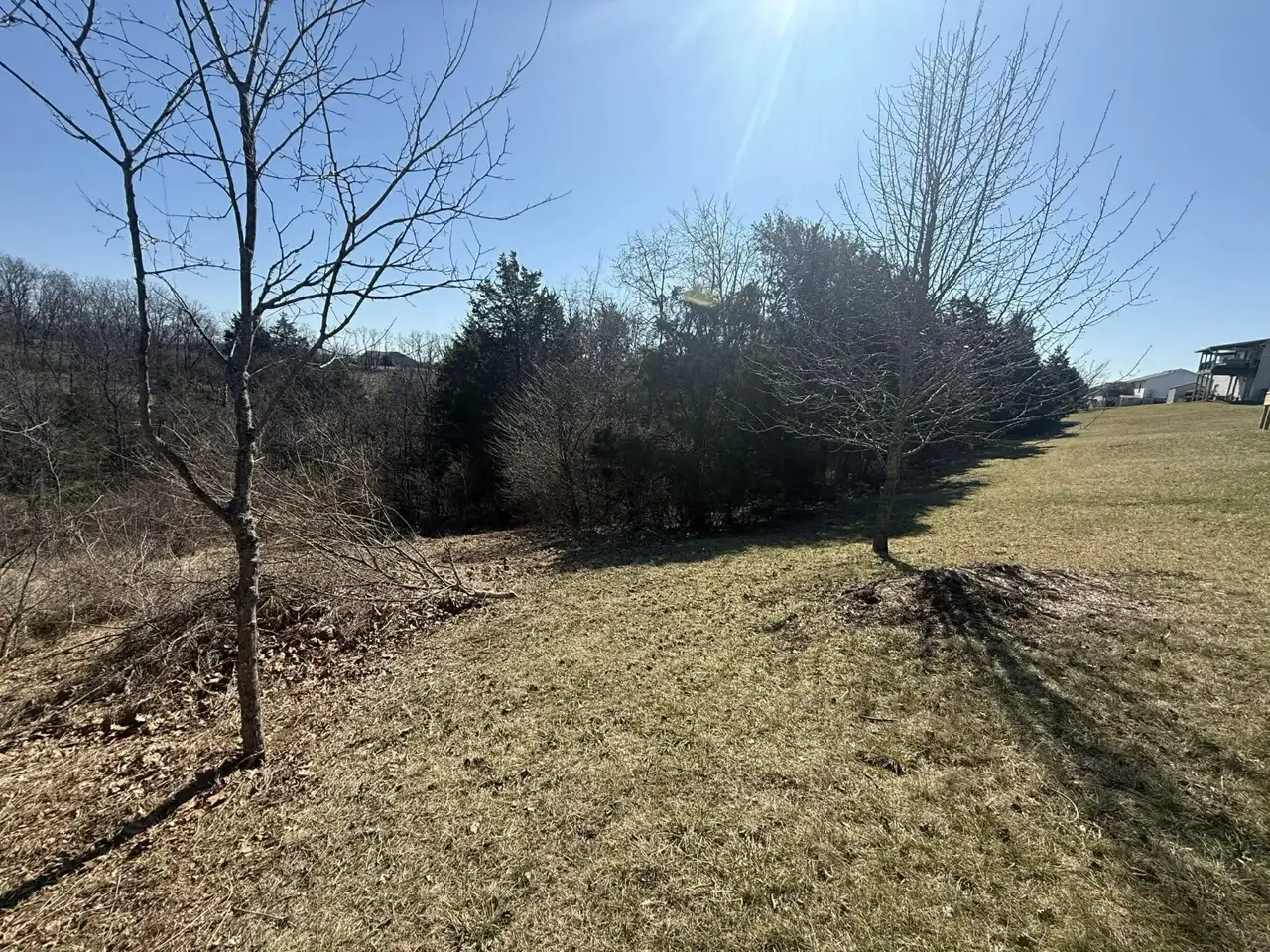
The best time to prepare your Kentucky property for spring is late February through March, when the ground is firm, vegetation is still dormant, and you can see what needs attention before leaf-out. Key tasks include clearing winter deadfall, maintaining fence lines, removing brush before the growing season, and addressing invasive species while they are still visible.
Why March Is the Window
There is a narrow stretch of time in Kentucky — roughly late February through the end of March — when the conditions are right for property work. The ground has firmed up from winter freezing and thawing but has not turned to mud from spring rain. Vegetation is still dormant, so you can see what you are working with. And the growing season has not started yet, which means anything you clear stays clear longer.
Once April hits, everything changes. The rain picks up, the ground gets soft, the honeysuckle leafs out, and suddenly that fence line you meant to clean up is buried under new growth. If you wait until May, you are fighting the season instead of getting ahead of it.
We get a wave of calls every April from people who planned to do their spring prep in March and ran out of time. Do not be that person.
Clearing Winter Deadfall
Kentucky winters are not gentle on trees. Ice storms, wind events, and the freeze-thaw cycle knock down branches, split trunks, and topple weakened trees. After winter, most wooded properties have debris scattered through them.
What to look for:
- Fallen branches blocking trails, driveways, or fence lines
- Hung-up trees (partially fallen trees resting on other trees) — these are dangerous and should be handled by someone who knows what they are doing
- Standing dead trees (snags) near structures, driveways, or areas where people walk
- Accumulated brush piles from winter storms
Small debris you can handle with a chainsaw and a truck. Larger deadfall — trees over 8 to 10 inches or anything hung up in the canopy — is worth calling a professional for. A hung-up tree is one of the most dangerous things in the woods. It is under tension and can shift without warning.
We clear deadfall as part of our forestry mulching work. The mulcher grinds down fallen trees and branches in place. No hauling, no burn piles. If you are already planning a clearing project, tacking on deadfall removal is efficient.
Fence Line Maintenance
Fence lines take a beating over winter. Trees fall on them, ice loads bend posts, and the previous year's brush growth has pushed against the wire. Before the growing season starts, walk your fence lines.
What we see every spring:
- Trees and large branches lying across wire fence
- Brush and saplings growing through and under the wire
- Honeysuckle and multiflora rose wrapping around posts and pulling wire loose
- Rotted wooden posts from moisture
- Vine growth (particularly grape and poison ivy) covering entire fence sections
For active livestock operations, fence line integrity is obvious. But even if you are not running cattle, property boundary fences matter. Letting brush grow through a fence makes the fence impossible to maintain later without cutting everything first.
We do fence line clearing with the forestry mulcher, cutting a clean corridor along both sides of the fence. Typical width is 8 to 15 feet on each side, depending on what the landowner wants. This opens up access for fence repair and keeps brush from reaching the wire for a couple of growing seasons.
Cost for fence line clearing runs $5 to $12 per linear foot depending on how thick the vegetation is. A quarter-mile of overgrown fence line might run $6,000 to $12,000. A lightly brushed line might be half that.
Brush Removal Before Growing Season
This is the single highest-value thing you can do in March. Any brush or invasive species you remove now, before leaf-out, gives native plants and grass the full growing season to fill in. If you wait until June, you lose half the season and the cleared areas are more prone to erosion until ground cover establishes.
Areas to focus on:
- Field edges and fence rows — This is where invasives creep in from wooded areas. Clearing a 20 to 30 foot buffer between your field and the tree line keeps brush from advancing.
- Around structures — Brush growing against barns, sheds, and outbuildings holds moisture and attracts pests. Clear a 10 to 15 foot perimeter.
- Drainage areas — Small creeks and drainage swales that have filled with brush impede water flow and can cause flooding on flat ground. Clearing these channels prevents soggy fields.
- Access roads and trails — Winter growth overhangs trails and farm roads. A mulcher can widen a trail from a narrow path to a full equipment-width road in an afternoon.
Dealing With Invasives While You Can See Them
Late February and March is the tail end of the winter window for invasive species work. Honeysuckle still has its green leaves (or is just starting to leaf out) while native plants are bare. This makes it the last good chance to target invasives specifically.
If you have honeysuckle, multiflora rose, or privet on your property, clearing it now means:
- You can see exactly what is invasive and what is native
- Native plants are dormant and will not be damaged by equipment or herbicide
- Follow-up herbicide on resprouts lines up perfectly with the May to June window
We have covered invasive removal in detail in other posts. The short version: mulch now, spray resprouts in 6 to 8 weeks. That timing puts you right at the end of spring when the resprouts are actively growing and pulling herbicide into the root system.
Seeding and Erosion Control After Clearing
Any ground you expose in March needs something growing on it before the spring rains arrive in force. Bare soil on a slope in April is a recipe for erosion. We see it every year — someone clears a hillside in March and by May the rain has carved channels through the exposed dirt.
For pasture and open areas, a mix of Kentucky 31 fescue and orchard grass is the standard. It is not glamorous but it germinates fast and holds soil. Spread it at 25 to 30 pounds per acre and hope for a few days of rain. In our area, that is usually not a problem in March.
For areas you want to naturalize, a native warm-season grass mix with indiangrass, big bluestem, and switchgrass works well but takes longer to establish. Do not expect full cover until the second growing season. In the meantime, you may need a nurse crop of annual rye to hold the soil.
On steep slopes, consider erosion blankets or straw mulch over seed. The investment is small compared to repairing a washed-out hillside. We can apply hydroseed on cleared slopes as part of a project. It is not expensive and it prevents problems that are expensive to fix.
What Spring Prep Costs
Here is a rough idea of what different spring prep tasks run in our area:
| Task | Typical Cost | Notes |
|---|---|---|
| Deadfall removal (small property) | $800–$2,000 | Depends on number and size of fallen trees |
| Fence line clearing (per linear foot) | $5–$12 | Heavy brush costs more than light growth |
| Brush removal (per acre) | $1,500–$3,500 | Depends on vegetation density |
| Invasive species mulching (per acre) | $1,500–$3,500 | Honeysuckle and rose are on the lower end |
| Herbicide follow-up (per acre) | $200–$400 | Applied 6–8 weeks after mulching |
| Trail/road widening (per 100 feet) | $300–$800 | Depends on width and vegetation |
Bundling multiple tasks into a single visit saves money. If we are already on your property with the mulcher for fence line work, adding brush removal on a nearby area costs less than mobilizing separately for each job. We try to group work this way whenever we can.
Ground Conditions: When Is It Too Wet?
This is the real constraint in Kentucky spring prep. Our clay soils hold water. After a heavy rain, even well-drained properties can be too soft for heavy equipment.
General rules of thumb:
- If you can drive a pickup across it without making ruts, equipment can work there
- If standing water is visible in the low spots, it is too wet
- Clay soil that squishes when you step on it needs a few dry days
- Sandy or gravelly soils drain faster and can be worked sooner after rain
In our experience, there are usually two to three solid working windows in March around Northern Kentucky — stretches of 5 to 7 dry days when the ground firms up enough for equipment. We watch the weather forecasts and schedule accordingly.
The worst-case scenario is bringing a 20,000-pound mulcher onto saturated clay. You end up with 12-inch ruts across the property that are worse than the brush you came to clear. We will not do that to your land. If it is too wet, we reschedule.
Spring Prep Checklist
Here is what we recommend in order of priority:
- Walk your property and fence lines. Look for deadfall, damage, and problem areas.
- Remove hung-up or hazardous trees near structures and walkways.
- Clear fence lines so you can inspect and repair wire before livestock go out.
- Clear invasive species while you can still identify them against dormant native plants.
- Remove brush from field edges, around structures, and along drainage channels.
- Seed any bare areas to prevent erosion and weed establishment.
- Schedule larger clearing projects for late March or early April before demand peaks.
Why Not Wait Until Summer?
You can clear land in summer. It works. But it costs more and creates more problems.
- The ground is often wet from spring rain and thunderstorms
- Everything is leafed out and you cannot see what you are cutting into
- Heat limits work hours (we start at dawn and often stop by early afternoon in July)
- Nesting birds are a concern in May through July
- Demand is highest, so wait times are longer
- Cleared ground in summer has less time to establish ground cover before fall
March work avoids all of these issues. It is the most efficient time to get property work done in Kentucky.
Bottom Line
The March window is short. If you have property work on your list for 2025, now is the time to get it scheduled. Deadfall, fence lines, brush, and invasive species are all easier to deal with before the growing season starts.
Call us at (859) 710-6107 or request a free estimate to schedule a site visit. We serve Northern Kentucky and the surrounding area, and March fills up fast.
Related Services
We Serve These Areas
Getting Your Property Ready for Spring in Kentucky FAQ
Late February through March is the ideal window. The ground is firm from winter, vegetation is still dormant, and you can see problem areas clearly before leaf-out. Once April rain starts and plants begin growing, the window closes.
No, March is often the best month for equipment work in Kentucky. The ground is typically firm from winter drying and has not yet softened from spring rain. We watch weather patterns and schedule around wet stretches. If the ground is too soft, we will reschedule rather than rut your property.
Fence line clearing with forestry mulching runs $5 to $12 per linear foot depending on vegetation density. A quarter-mile of heavily overgrown fence line might cost $6,000 to $12,000. Lighter brush may be half that. We clear an 8 to 15 foot corridor on each side of the fence.
Before. Late winter and early spring is the best time to target invasive species because you can see honeysuckle and privet against dormant native plants. Removing invasives now gives native species the full growing season to recover and fill in the cleared area.
For pasture and open areas, Kentucky 31 fescue and orchard grass at 25 to 30 pounds per acre germinates quickly and holds soil. For naturalized areas, native warm-season grasses like indiangrass and big bluestem work well but take longer to establish. On slopes, add erosion blankets or hydroseed.
Yes. If we are already mobilized to your property with equipment, adding tasks like brush removal, deadfall clearing, and fence line work in the same visit costs less than scheduling each job separately. We try to group work whenever possible to reduce mobilization charges.
Ready to Get Started?
Free on-site estimates for all properties in our service area.
Ready to Clear Your Land?
Get a free, no-obligation estimate for your project. We respond fast and show up on time.
Try our cost calculator · Serving Northern Kentucky, Greater Cincinnati, and Southeast Indiana · 24/7 — Emergency Service Available