
The Environmental Benefits of Forestry Mulching (And One Downside)
An honest look at the environmental pros and cons of forestry mulching from a crew that does it every day — including the one downside nobody in our industry talks about.
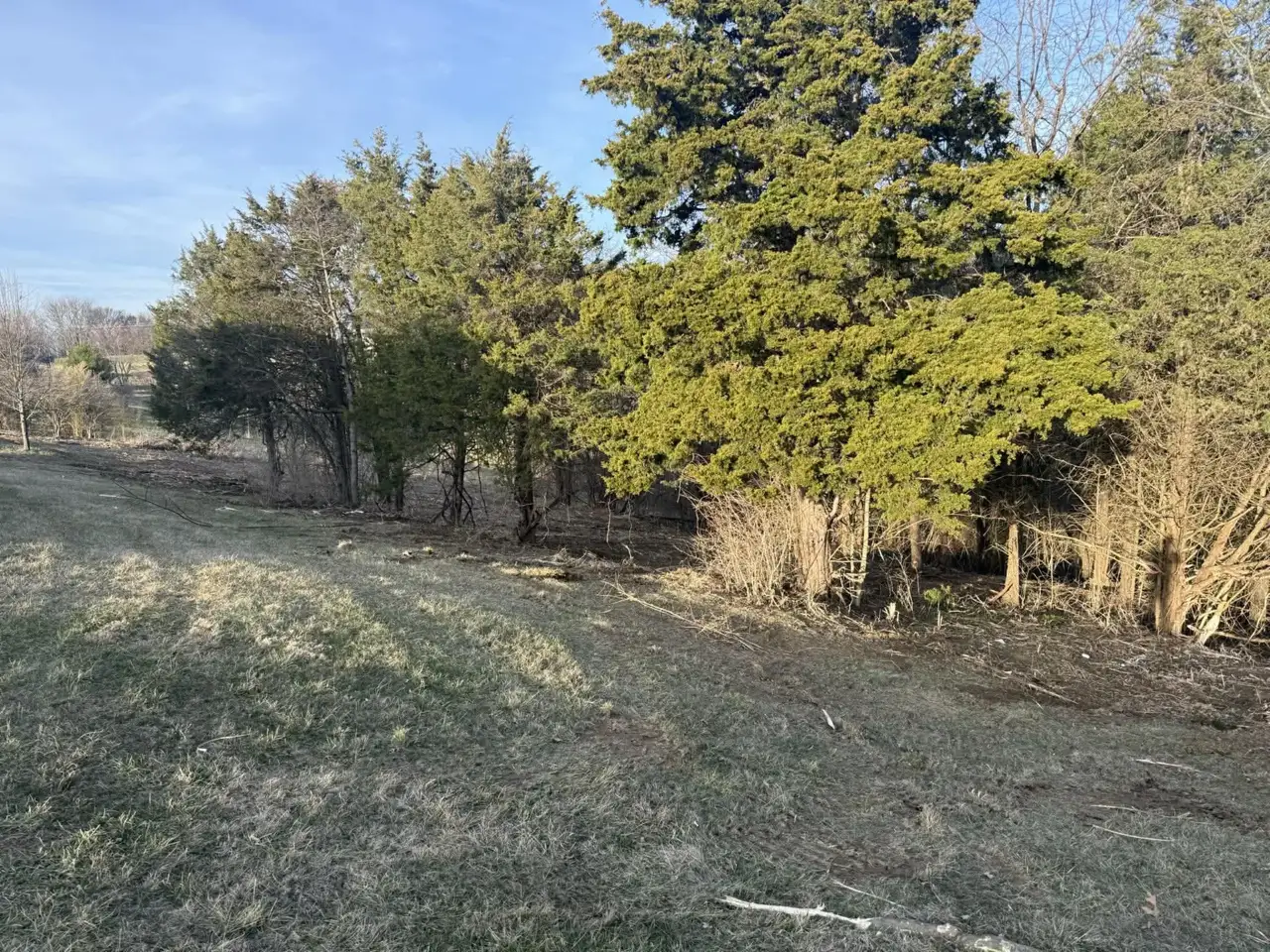
Forestry mulching benefits the environment by eliminating the need for burning, preserving topsoil, returning organic nutrients to the ground, and controlling erosion through its mulch layer. However, it still removes trees and vegetation, which reduces habitat and carbon storage. It is better than most clearing methods but is not a conservation practice.
We Clear Land for a Living — Let's Be Honest About What That Means
Every forestry mulching company, ours included, will tell you that mulching is the environmentally friendly way to clear land. And compared to the alternatives, that is true. But we want to be more honest than the average marketing page. Mulching is better. It is not harmless.
We are going to walk through the real environmental benefits — and they are significant — and then talk about the one downside that most land clearing companies skip over. You deserve the full picture before you decide how to manage your property.
Benefit #1: No Burning
Traditional land clearing in our part of Kentucky and Southern Ohio has relied on burn piles for generations. You push the brush into a pile, let it dry, and light it. The smoke rolls across the county for days. We have all driven past those hazy burn piles on back roads in Grant County or out toward Falmouth.
The environmental cost of burning is real. A single acre of cleared brush, when burned, releases roughly 3 to 5 tons of carbon dioxide back into the atmosphere. It also releases particulate matter — the fine soot that aggravates asthma and other respiratory conditions. On a still day in the Ohio River valley, that smoke sits in the basin and does not go anywhere.
Forestry mulching eliminates burning entirely. The material stays on the ground. The carbon that was locked in the wood breaks down slowly through decomposition instead of going up in a cloud of smoke over the course of an afternoon.
This is not a small difference. If we mulch 200 acres in a year instead of those acres getting dozed and burned, that is 600 to 1,000 tons of CO2 that stays out of the atmosphere. We do not run our business as a carbon offset program, but the math is the math.
Benefit #2: Topsoil Stays Put
We covered this in detail in our erosion prevention post, but it is worth repeating in the environmental context. Topsoil is not just dirt. It is a living system — microorganisms, fungal networks, organic matter built up over hundreds of years. An inch of topsoil takes roughly 500 years to form naturally.
When a bulldozer scrapes a hillside, that topsoil gets buried under subsoil, pushed into piles, or washes away in the first rain. Once it is gone, the land is starting over from scratch.
Forestry mulching never touches the topsoil layer. The mulch sits on top of it. The root systems stay in place underneath. The microbial life in the soil keeps doing what it does. From an ecological standpoint, the soil ecosystem barely notices that the trees above it are gone.
We have seen this on properties in SE Indiana along the Ohio River bluffs. The soils there are thin to begin with — maybe 4 to 6 inches of decent topsoil over clay and limestone. Lose that 4 inches and you are farming rock. Mulching keeps it where it belongs.
Benefit #3: Nutrients Return to the Soil
When we mulch an acre of mixed hardwoods and brush, all of that biomass — the wood, the bark, the leaves — becomes a 2 to 4 inch layer of organic material on the ground. Over the next 6 to 18 months, that material decomposes. Fungi, bacteria, and insects break it down into nutrients that feed the soil.
This is composting at scale. The nitrogen, phosphorus, potassium, and trace minerals that the trees pulled out of the ground over their lifetime go right back in. For landowners who plan to seed pasture or plant crops after clearing, this is free fertilizer.
A study from Virginia Tech found that forestry mulch increased soil organic matter by 15–20% within two years compared to conventionally cleared sites. We are not scientists, but we have seen the difference firsthand. Grass grows faster and thicker on mulched ground than on bulldozed ground. Every time.
Benefit #4: Erosion Control Protects Waterways
Soil erosion is not just a problem for the property owner. It is a problem for everyone downstream. Sediment runoff from cleared land ends up in creeks, rivers, and the Ohio River. That sediment smothers aquatic habitat, clouds the water, and carries whatever was in the soil — fertilizer, pesticides, naturally occurring minerals — into the water system.
Northern Kentucky drains into the Licking River and directly into the Ohio. Every acre of bare, freshly cleared soil on a slope is a potential sediment source. The mulch layer from forestry mulching reduces sediment runoff by an estimated 70–90% compared to bare ground.
For landowners clearing near Woolper Creek, Banklick Creek, or any of the small tributaries that feed the Licking and Ohio, this matters. Kentucky's Division of Water pays attention to sediment loading. Being a good neighbor to the waterway is being a good neighbor to everyone downstream.
Benefit #5: Reduced Soil Compaction
Heavy equipment compacts soil. There is no way around it entirely. But there is a big difference between a tracked mulching machine making one or two passes and a dozer making twenty passes while pushing, piling, backing up, and grading.
Soil compaction reduces water infiltration, which increases runoff. It also makes it harder for roots to penetrate, which slows vegetation recovery. The less time heavy equipment spends on your ground, the better the soil structure holds up.
Our mulching machine is heavy — no getting around that. But it moves through an area once, maybe twice, and the job is done. A traditional clearing operation might have a dozer, an excavator, and trucks running over the same ground for days. The cumulative compaction from that kind of traffic is significantly worse.
Benefit #6: No Hauling, No Dump Fees, No Diesel Miles
Traditional clearing generates debris that has to go somewhere. Brush piles that do not get burned get loaded onto trucks and hauled to a landfill or disposal site. Each truck run is diesel fuel burned, road wear, and material taking up space in a landfill where it will decompose anaerobically and produce methane.
Forestry mulching has zero hauling. Everything stays where it fell. No truck traffic, no dump fees, no landfill contribution. For a 5-acre job, that might be 10 to 15 truckloads of debris that never hit the road. The environmental cost of those avoided truck miles is real even if nobody thinks about it.
Benefit #7: Selective Clearing Is Possible
A dozer is not selective. When it starts pushing, everything in front of the blade goes. A mulching machine can work around individual trees. We can clear the understory, the invasives, the dead wood — and leave healthy oaks, walnuts, or any other trees the landowner wants to keep.
This matters for habitat. A property cleared down to bare ground is a desert for wildlife. A property where we removed the honeysuckle and brush but left the mature canopy trees still has nesting sites, food sources, and shelter. It is not pristine forest, but it is a long way from a moonscape.
We do selective clearing regularly in the Greater Cincinnati suburbs — Independence, Fort Thomas, Cold Spring — where homeowners want to clean up wooded lots without removing every tree. The environmental difference between selective mulching and wholesale clearing is enormous.
The Downside Nobody in Our Industry Talks About
Here it is. We are a land clearing company. What we do is kill trees and vegetation. That is the job.
Forestry mulching is better than the alternatives in almost every measurable way. It preserves soil. It prevents erosion. It recycles biomass. It eliminates burning. All true.
But a mulched acre is still a cleared acre. The trees that were standing there yesterday — providing oxygen, storing carbon, offering shade and habitat — are gone today. Ground into chips. A 30-year-old oak was pulling roughly 48 pounds of CO2 out of the atmosphere every year. Multiply that across an acre of mixed hardwoods and you are looking at real carbon storage capacity that no longer exists.
We do not pretend otherwise. When a landowner calls us to clear 10 acres of mature forest, that forest is not coming back in their lifetime. Even if they replant, it takes decades to approach the ecological value of what was there before.
When This Matters Most
Not all vegetation is equal. Clearing an acre of invasive honeysuckle and autumn olive? That is actually an environmental net positive. Those species suppress native plants, reduce biodiversity, and alter soil chemistry. Removing them allows native species to recover. We do a lot of invasive removal work, and we feel good about every acre of it.
Clearing an acre of mature native hardwood forest to build a parking lot? That is an environmental loss, no matter how you clear it. We will do the job — it is our business. But we are not going to tell you it is good for the environment.
The honest environmental assessment depends entirely on what is growing there now and what is going to replace it.
Sensitive Habitats Where Mulching May Not Be Appropriate
Forestry mulching is not selective enough for every situation. If a property has endangered plant species, rare native wildflowers, or sensitive wetland edges, our machine cannot distinguish between the invasive bush honeysuckle and the native spicebush growing next to it.
In those situations — and we encounter them occasionally in the creek bottoms and mature woodlands of Pendleton and Campbell counties — hand clearing with chainsaws and targeted herbicide is more appropriate. It costs more and takes longer. But it is the right tool for that specific job.
We have turned down mulching jobs and recommended hand clearing instead when we thought the site warranted it. Not often, but it happens. If your property has a known sensitive species or is adjacent to a nature preserve, mention it when you call.
How to Maximize the Environmental Benefits
If you are going to clear land — and there are plenty of legitimate reasons to do so — here is how to get the most environmental value out of the process.
- Choose mulching over dozing whenever the vegetation and terrain allow it. The mulch layer is the single biggest environmental advantage.
- Clear invasives first. If your property has both native and invasive species, prioritize removing the invasives. The native habitat that recovers will be healthier than what was there before.
- Keep mature canopy trees where possible. Selective clearing preserves the most ecologically valuable trees while removing understory brush.
- Seed or plant native species after clearing. Do not just let whatever grows back take over — that is usually invasives again. A native seed mix costs a few hundred dollars per acre and makes a real difference.
- Avoid clearing during nesting season (April through July) if bird habitat is a concern. We can work around this with scheduling.
Where We Land on This
We are not an environmental organization. We are a land clearing company based in Demossville, Kentucky, and we clear land because people need land cleared. For building, farming, access, safety, property management — there are real reasons to remove vegetation from a piece of ground.
What we can control is how we do it. Forestry mulching is genuinely better for the soil, the air, the water, and the surrounding ecosystem than traditional clearing. We believe that. We have seen the evidence on hundreds of job sites across Northern Kentucky, SE Indiana, and Greater Cincinnati.
But better is not the same as harmless. If someone tells you land clearing is good for the environment, full stop, they are either selling you something or they have not thought it through.
We would rather give you the honest version and let you make an informed decision. If you want to talk about the best approach for your specific property — environmental concerns included — call us at (859) 710-6107.
Related Services
We Serve These Areas
The Environmental Benefits of Forestry Mulching (And One Downside) FAQ
Forestry mulching is the most environmentally friendly commercial land clearing method. It preserves topsoil, eliminates burning, returns nutrients to the soil, and reduces erosion by 70–90% compared to bare ground. However, it still removes trees and vegetation, so it is better than alternatives rather than harmless.
Forestry mulching does not release carbon immediately like burning does. The mulched material decomposes slowly over 6–18 months, releasing carbon gradually. This is a much lower atmospheric impact than burning the same vegetation, which releases all carbon in hours along with harmful particulate matter.
Yes. Forestry mulching is effective for removing invasive species like bush honeysuckle, autumn olive, and multiflora rose. Removing these species is an environmental net positive because they suppress native plants and reduce biodiversity. A follow-up herbicide treatment 6–8 weeks later prevents most regrowth from roots.
Significantly. Burning an acre of cleared brush releases 3–5 tons of CO2 and harmful particulate matter into the atmosphere in a single afternoon. Forestry mulching keeps that carbon on the ground where it decomposes slowly and returns nutrients to the soil. There is no smoke, no air quality impact, and no fire risk.
Forestry mulching causes minimal soil disturbance compared to other clearing methods. The machine never scrapes or grades the ground. Topsoil and root systems remain intact. There is some soil compaction from the equipment, but it is significantly less than the repeated passes required for dozer and truck operations in traditional clearing.
Avoid forestry mulching in areas with endangered plant species, rare native wildflowers, or sensitive wetland edges. The machine cannot distinguish between invasive and native plants growing close together. Hand clearing with chainsaws and targeted herbicide is more appropriate for ecologically sensitive sites.
Ready to Get Started?
Free on-site estimates for all properties in our service area.
Ready to Clear Your Land?
Get a free, no-obligation estimate for your project. We respond fast and show up on time.
Try our cost calculator · Serving Northern Kentucky, Greater Cincinnati, and Southeast Indiana · 24/7 — Emergency Service Available