
Fence Row Clearing for Kentucky Farms: Costs, Methods, and Timing
Overgrown fence rows are one of the most common problems on Kentucky farms. Here is what it costs to clear them and how to do it right.
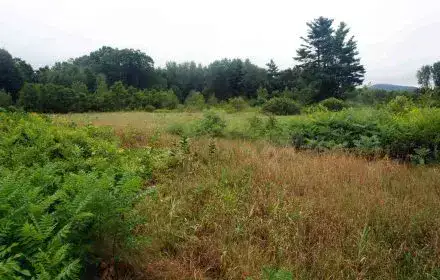
Fence row clearing in Kentucky costs $3 to $8 per linear foot depending on vegetation density and method used. Forestry mulching is the fastest method for heavy growth. Late fall and winter are the best times to clear because the ground is firm and vegetation is dormant. Clear fence rows before replacing fence, not after.
Every Kentucky Farm Has This Problem
If you own a farm in Kentucky, you have at least one fence row that has gotten away from you. It happens to everyone. You put up fence along a tree line or field edge, mow next to it for a few years, then life gets busy and the mowing stops. Within five years, the fence row is a wall of honeysuckle, multiflora rose, osage orange saplings, and wild grape. The fence is buried somewhere inside it.
We clear fence rows on farms across Northern Kentucky every month. It is one of the most common jobs we do in Grant, Pendleton, and Boone counties. The pattern is always the same: the fence grew up, the landowner put it off, and now they either need to replace the fence or reclaim the field edge.
Why Fence Rows Get Overgrown
Birds sit on fence wire and fence posts. They deposit seeds. Those seeds sprout right next to the fence where mowing equipment cannot reach. Within two years you have seedlings. Within five, you have small trees and dense brush. Within ten, you cannot see the fence at all.
The species that take over fence rows in Kentucky are predictable. Honeysuckle, multiflora rose, and osage orange are the big three. Wild grape, poison ivy, and Virginia creeper pile on top. Eastern red cedar fills in any gaps. Once established, this mix grows into an impenetrable hedgerow that shades the field edge and provides cover for the next round of invasive seeds.
Some landowners actually want hedgerows for wildlife habitat, and that is a valid choice. But if the fence inside that hedgerow is failing and you need to replace it, or if the overgrowth is encroaching on productive pasture, the hedge needs to come down.
Methods for Clearing Fence Rows
Forestry Mulching
This is what we do most often and it is the fastest method for heavy growth. The forestry mulching head grinds everything from ground level up to about 8 inches in diameter in a single pass. We drive along the fence row and mulch the vegetation on one or both sides.
For fence rows with existing wire still in place, we need to be careful. The mulcher will grab and wrap loose wire, which damages the equipment and creates a mess. If there is wire fence buried in the brush, we pull it out by hand first or the customer removes it before we arrive. This adds time but avoids a much bigger problem.
Forestry mulching leaves a layer of wood chips on the ground that helps suppress regrowth for a season. On most fence row jobs, we can clear 500 to 1,000 linear feet in a day depending on the density.
Brush Hogging
A rotary cutter or brush hog on a tractor handles lighter growth. If the fence row is mostly tall grass, weeds, and small brush under about 2 inches in diameter, a brush hog will knock it down. It will not remove stumps or handle anything with a real trunk.
Brush hogging is cheaper than mulching but less effective. The plants are cut but not destroyed. Everything resprouts from the stump within weeks. For a temporary cleanup before fencing work, it can be enough. For a permanent clearing, it is not.
Hand Clearing
Chainsaws, loppers, and a lot of sweat. Hand clearing works for short sections of fence row and for removing specific trees. For a few hundred feet of moderate brush, a good hand crew can clear it in a day.
The problem with hand clearing is the debris. You end up with piles of brush that need to be burned or hauled away. Burning is regulated in many Kentucky counties and depends on weather and fire risk. Hauling is expensive. Forestry mulching eliminates the debris problem entirely because the material gets ground up in place.
Cost of Fence Row Clearing
We price fence row work by the linear foot for most jobs.
| Vegetation density | Cost per linear foot |
|---|---|
| Light (brush and small saplings under 3 inches) | $3 - $4 |
| Medium (mixed brush and trees 3-6 inches) | $4 - $6 |
| Heavy (dense brush and trees over 6 inches) | $6 - $8 |
A typical farm fence row clearing project is 1,000 to 3,000 linear feet. At $4 to $6 per foot for medium growth, that puts most jobs in the $4,000 to $18,000 range. Sounds like a lot, but consider the alternative: doing it by hand over several weekends, burning brush piles, and still having stumps to deal with.
For very long runs (over 5,000 feet), we can often offer better per-foot pricing because the mobilization cost is spread over a larger project. If you have an entire farm perimeter to clear, get a quote for the whole thing rather than doing it in sections.
Our minimum charge of $1,200 applies to fence row work as well. Short runs under about 300 feet of medium growth will hit the minimum regardless.
When to Clear Fence Rows
Late fall and winter. November through February is the window we recommend for fence row work in Kentucky.
- Ground is firm. Heavy equipment along a fence line in April will leave ruts in pasture that take a season to recover.
- Vegetation is dormant. Fewer leaves means better visibility, faster cutting, and less material to mulch.
- Snakes are inactive. Nobody wants to wade into a honeysuckle thicket in July when copperheads are hunting.
- Less impact on wildlife. Bird nesting season is over by October. Clearing in winter avoids disturbing ground-nesting birds and rabbits.
- Better scheduling. Our calendar is usually more open from November through February.
If you are replacing fence in the spring, schedule the clearing for the previous fall. This gives you a clean fence line ready for the fencing crew when the weather breaks.
Clear Before You Fence, Not After
We get asked this all the time: should I clear the fence row first and then put up new fence, or put up fence and then clear around it?
Clear first. Always.
Trying to clear brush around newly installed fence is harder and more expensive. The equipment has to work around the new posts and wire. Hand work increases. Risk of damaging the new fence goes up.
The correct sequence is: remove old wire if present, clear the fence row, grind stumps along the fence line, then install new fence on the cleared ground. Some farmers have the fence company install corner and gate posts first to mark the line, then we clear between them before the wire goes up.
Cattle vs. Horse Fence Considerations
The type of livestock on either side of the fence affects the clearing approach.
Cattle fence rows can be cleared aggressively. Cattle are not easily injured by remaining stumps, rough ground, or wood chip debris. We can mulch right to ground level and leave the chips in place. Cattle will walk right over it.
Horse fence rows need more care. Horses have thinner skin and are more prone to leg injuries from stumps and debris. If you are running horse fence, we recommend grinding stumps below ground level along the fence line and removing any large wood chunks that a horse could step on. This adds cost but avoids a vet bill that would cost far more.
For horse properties, some owners also want us to leave a mowed buffer zone between the cleared area and the fence. This gives a clean appearance and keeps horses from pushing into rough ground. If you are managing a horse property, our horse property clearing guide covers the full process.
Regrowth Management
Clearing the fence row is step one. Keeping it clear is step two.
Without follow-up, a cleared fence row will start regrowing within a single growing season. Honeysuckle and multiflora rose resprout from root crowns. New seedlings from the surrounding seed bank germinate in the disturbed soil. Within three years, you are right back where you started.
Options for maintaining a cleared fence row:
- Regular mowing: If you can get a mower along the fence line once or twice a year, that keeps regrowth in check. This is the simplest long-term approach.
- Herbicide treatment on resprouts: A targeted application 6 to 8 weeks after clearing kills the root systems of invasive species. This is especially important if your fence row was full of honeysuckle or multiflora rose.
- Grazing: If the fence row is between two pastures, some farmers drop the interior fence temporarily and let cattle graze the regrowth. This works for controlling grass and light brush but cattle will not eat honeysuckle or osage orange.
Bottom Line
Overgrown fence rows are a normal part of owning a Kentucky farm. Clearing them is not complicated, but the timing and method matter. Late fall, before the new fence goes in, using forestry mulching for anything over light brush. Follow up with herbicide or regular mowing to keep it clear.
EarthWorx clears fence rows across Grant, Pendleton, Boone, and surrounding counties. Call (859) 710-6107 for a free estimate. We will walk the line with you and give you a per-foot price on the spot.
Related Services
We Serve These Areas
Fence Row Clearing for Kentucky Farms: Costs, Methods, and Timing FAQ
Fence row clearing in Kentucky costs $3 to $8 per linear foot depending on vegetation density. Light brush runs $3 to $4 per foot, medium growth $4 to $6, and heavy growth with trees over 6 inches is $6 to $8 per foot. Most farm fence rows fall in the $4 to $6 range.
Clear before installing new fence. Remove old wire first, then clear and mulch the vegetation, grind stumps along the fence line, and install new fence on the clean ground. Trying to clear around new fence is harder, more expensive, and risks damaging the new installation.
Late fall and winter, from November through February. The ground is firm so equipment does not leave ruts, vegetation is dormant for easier clearing, snakes are inactive, and bird nesting season is over. Schedule clearing in the fall before a spring fencing project.
Yes, without maintenance. Honeysuckle and multiflora rose resprout from root crowns and new seedlings germinate in disturbed soil. Regular mowing along the fence line or a targeted herbicide treatment 6 to 8 weeks after clearing are the best ways to prevent regrowth.
The old wire needs to come out before mulching. Loose wire wraps around the mulching head and damages the equipment. Either the property owner removes the wire before we arrive or we pull it by hand as part of the job, which adds labor time and cost.
Horse fence rows need more finishing work. Stumps should be ground below grade along the fence line and large wood debris removed to prevent leg injuries. Cattle are less sensitive to rough ground, so aggressive mulching right to ground level is fine for cattle operations.
Ready to Get Started?
Free on-site estimates for all properties in our service area.
Ready to Clear Your Land?
Get a free, no-obligation estimate for your project. We respond fast and show up on time.
Try our cost calculator · Serving Northern Kentucky, Greater Cincinnati, and Southeast Indiana · 24/7 — Emergency Service Available